Mattress Education
Vispring Mattress Toppers: How to Match Added Comfort to Your Bed
A mattress topper can make a familiar bed feel softer, more cushioned, or simply more comfortable to settle into. But the best match isn’t about choosing the plushest layer on offer. It starts with your mattress, your preferences, and what you want to change—then moves on to practical details like materials, dimensions, care, and fit.
Start with the feel you want to change
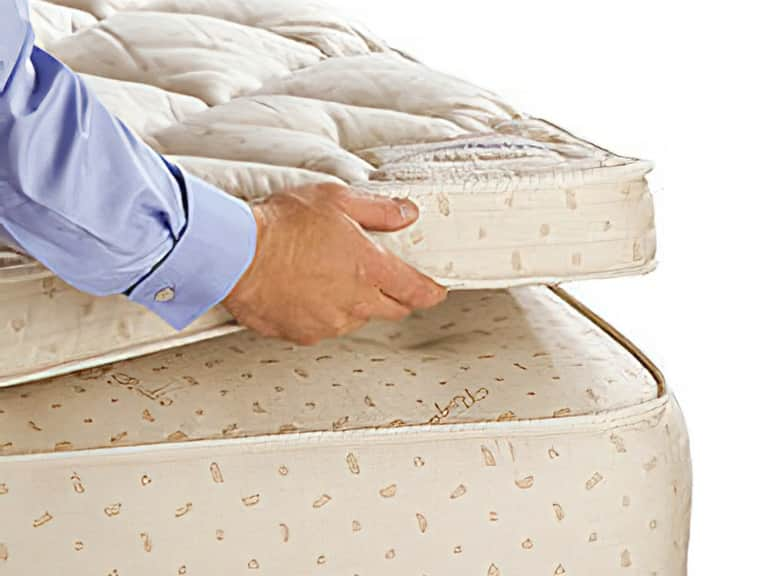
A topper is a small change with a surprisingly personal job. It sits between you and the mattress, adding a layer that can alter the way the sleep surface feels. Some people want a gentler landing at the shoulders and hips. Others are hoping for a little more cushioning across the whole bed, or a surface that feels more inviting without replacing a mattress they otherwise like.
Before comparing a Vispring mattress topper or any other option, describe the issue in everyday terms. Does the mattress feel too firm at the surface, while still supporting you well? Do you want a softer sensation when you first lie down? Are you looking for a different temperature feel, or hoping to protect the mattress from routine wear? Those are distinct goals, and a topper may address one more effectively than another.
It helps to think of comfort as a combination of support and surface feel. Support comes largely from the mattress and its foundation; the topper changes the uppermost layer. A cushier surface may make pressure feel more comfortable for some sleepers, but it will not rebuild a worn-out mattress or correct a bed that no longer feels supportive. If you wake with persistent discomfort or notice sagging, dips, or uneven support, assess the mattress itself before adding another layer.
That distinction can save you from expecting a topper to do the work of a new bed. A topper is best considered a targeted adjustment to a mattress that remains in usable condition—not a repair for structural wear.
What to know about the Vispring Heaven topper
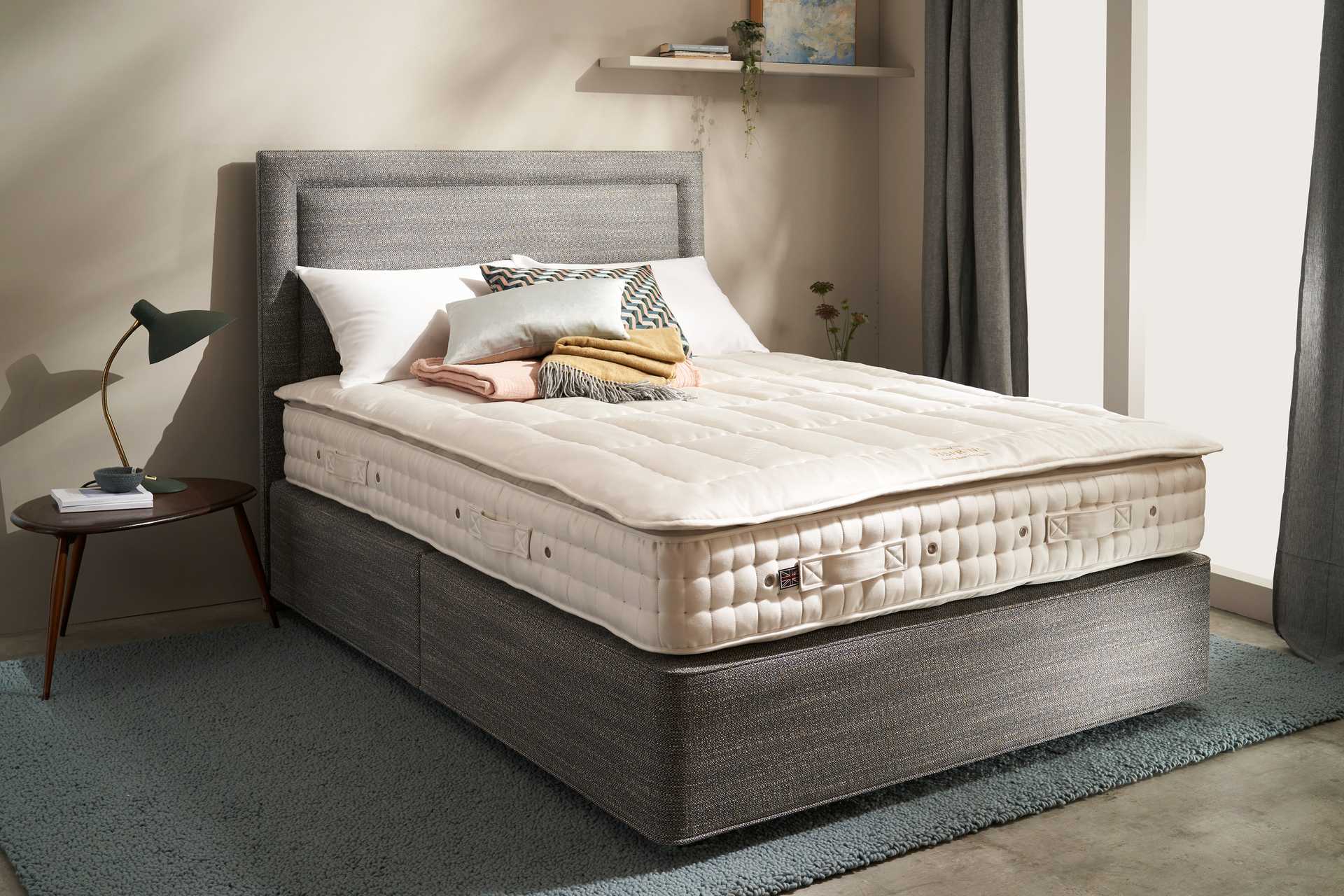
The Vispring Heaven Mattress Topper is described as a two-inch topper filled with British fleece wool and soft-needled British wool. Its listed features include wool’s temperature-regulating qualities and a soft feel intended to help relieve pressure points. That description offers a useful starting point, but it does not mean every sleeper will experience the same result. Comfort is personal, and the feel of a topper depends on the mattress beneath it, too.
Wool is often valued in bedding for its ability to help manage warmth and moisture. In practice, how comfortable a wool-filled topper feels can depend on several things: the room climate, the bedding around it, the sleeper’s own temperature preferences, and the mattress surface. If you tend to sleep warm, consider the whole setup rather than relying on one material to determine how cool or warm your bed will feel.
Likewise, a two-inch profile is a measurable detail, not a promise that the bed will feel a particular amount softer. The topper’s construction and fill, the condition and firmness of your mattress, and your own sensitivity to cushioning all contribute to the finished feel. If possible, check the product information with the manufacturer or retailer and ask how the topper is intended to be used with your particular mattress.
The Heaven topper is therefore worth considering if you want an added wool layer and are seeking a softer surface. The most useful question is not whether it is universally comfortable, but whether its stated materials, thickness, and care requirements suit your bed and preferences.
Check your mattress before choosing
Take a few minutes to evaluate your mattress in its current state. Remove extra blankets and pillows, then lie in your usual sleep position. Notice where you feel pressure and whether your body seems comfortably supported. If you share the bed, ask whether the other sleeper has the same concerns; a topper changes the shared sleep surface, so one person’s ideal adjustment may not be the other’s.
Look for visible dips, sagging, or a feeling that your body sinks unevenly. Check that the mattress is placed on a suitable, stable foundation and that the bed frame is not contributing to movement or unevenness. A topper can add cushioning, but it cannot make an unsound foundation supportive or restore a mattress that has lost its shape.
Also consider whether the current surface is already soft. Adding a plush layer to an already yielding mattress may create a feel you do not enjoy. If you have a newer mattress, check its warranty and care instructions before adding a topper. Some manufacturers specify how the mattress should be used, and it is sensible to understand those requirements before changing its setup.
Finally, be clear about your reason for shopping. If the main problem is a surface that feels too firm, cushioning may be relevant. If the mattress feels hot, review the mattress, sheets, blankets, sleepwear, and room temperature together. If you want to keep the mattress clean, a topper and a protective mattress pad are not necessarily interchangeable: confirm the intended use of each layer and follow its care directions.
Think about sleep position and pressure
Your usual sleep position can help you describe the comfort you want, though it should not be treated as a strict rulebook. Side sleepers often notice pressure around the shoulders and hips because those areas meet the sleep surface more directly. Someone who prefers a very firm feel may want only a modest change, while another sleeper may want a noticeably softer landing.
Back sleepers may focus on whether the surface feels comfortable without making the bed feel overly yielding. Stomach sleepers often prefer a more stable sensation, so a thick or very plush layer may not match their taste. Combination sleepers—those who change positions during the night—may care about whether the overall bed still feels easy to move around on.
These are useful prompts, not medical guidance or guaranteed outcomes. Body shape, mattress firmness, personal preference, and sleeping habits all influence how a particular surface feels. If you are uncertain, keep the decision anchored in your own experience: what bothers you now, what kind of change are you hoping for, and how much change seems comfortable?
A topper can also change how close you feel to the mattress beneath it. That is one reason to consider the complete sleep setup rather than the product in isolation. When trying a new layer, give yourself a little time to notice how it feels across different nights and positions, while following the retailer’s or manufacturer’s trial and return policies.
Measure carefully for a proper mattress fit
A comfort layer should suit the mattress it is meant to cover. Before ordering, confirm the mattress size and measure its length and width rather than relying only on a label such as queen or king. Bed dimensions and naming conventions can vary by region or product, and a close-but-not-exact match may leave fabric exposed or create overhang.
Measure the mattress itself, not just the bed frame. Also note its depth, including any existing quilted top or mattress pad. A topper adds height, and that can affect how well fitted sheets stay in place. Check the dimensions offered for the topper and ask the seller to confirm compatibility if your bed has an unusual size, a split configuration, or a particularly deep mattress.
Consider how the topper will stay put. Some layers rely on the bedding placed over them, while others may have a particular construction or attachment method. Do not assume that every topper includes straps or that every fitted sheet will accommodate the added height. Confirm what is supplied and what your existing bedding can cover.
A well-matched size helps the topper lie smoothly and makes the bed easier to make. If the topper shifts, bunches, or extends unevenly, it may become distracting rather than restful. A quick measuring check before purchase is less glamorous than choosing a fabric or fill—but it is one of the most practical steps in the process.
Understand materials, care, and everyday use
Material names can sound like a shortcut to the right choice, but the details matter. With a wool-filled topper, for example, consider the type of wool listed, the overall construction, and the care instructions. The Vispring Heaven topper is described as filled with British fleece wool and soft-needled British wool; check the current product information for the exact specifications, available sizes, and any changes to the care guidance.
Ask whether the topper can be cleaned at home, whether spot cleaning is recommended, and how it should be aired or stored. A topper is a substantial bedding layer, so care requirements matter in ordinary life: spills, seasonal storage, household routines, and the time you can realistically spend maintaining it. Follow the maker’s guidance rather than assuming that a cover or fill can be washed like everyday linens.
Think about the other layers on the bed as well. Mattress protectors, pads, fitted sheets, and blankets can influence how the topper feels and how securely it stays in place. If you use a protective layer, check whether it is intended to sit above or below the topper. The order can affect both fit and the sensation of the surface.
It is also sensible to review the manufacturer’s information about materials and any certifications or care claims. Use precise product documentation when comparing options, and avoid treating broad words such as “natural” or “breathable” as a complete explanation of performance. Specific details make for a more informed decision.
A simple checklist before you buy
When a topper looks appealing, pause for a quick, practical review. These questions can help separate a promising match from an impulse choice:
- What do I want to change? Identify whether you want more cushioning, a softer surface feel, or another specific adjustment.
- Is the mattress still in good condition? A topper is not a substitute for adequate mattress support or a stable foundation.
- What is the topper made of? Confirm the fill and construction, and consider whether they suit your comfort and temperature preferences.
- Will the dimensions fit? Measure the mattress and check the topper’s listed size and depth.
- Can my sheets accommodate it? Allow for the added height and verify that fitted bedding can stay securely in place.
- How should it be cared for? Read the maintenance instructions and decide whether they fit your household routine.
- What are the purchase terms? Check current delivery, trial, exchange, and return details directly with the seller.
This checklist is deliberately straightforward. A topper is part of your nightly routine, so small practical details can matter as much as a luxurious-sounding description. The right match should make sense not only when you first see it, but also when you make the bed, wash the linens, and settle in night after night.
Give the new setup a thoughtful trial
Once a topper is in place, check that it lies flat and that the bedding fits without pulling tightly at the corners. Notice whether it stays centered as you move and whether the finished bed feels like the change you intended. If the surface is not quite what you expected, consider the combined effect of the topper, protector, sheet, and mattress before drawing a conclusion about the fill alone.
Comfort can take a little observation. Keep track of what feels different in your usual sleep positions and whether the change is pleasant or distracting. Avoid making several adjustments at once if you can; changing the topper, pillows, and bedding together can make it harder to identify what is helping. At the same time, do not ignore persistent discomfort or a mattress that appears to have a support problem.
Check the return or exchange window before purchase and understand any conditions that apply. If a seller permits a trial, follow the stated process and keep the packaging or documents if requested. The ability to test a topper under your own routine can be valuable, but policies vary and should be verified rather than assumed.
The best topper is the one that fits your bed—and your life
Choosing a mattress topper is not about chasing a universal definition of luxury. It is about finding a thoughtful match between the surface you have, the feel you want, and the practical realities of your bedroom. Begin with the mattress, be honest about what you hope to improve, and treat materials and marketing language as prompts to investigate rather than guarantees.
The Vispring Heaven Mattress Topper offers a clearly described starting point for shoppers considering a wool-filled, two-inch layer. Its British wool fill and soft profile may appeal to someone seeking additional cushioning, but dimensions, care, compatibility, and personal comfort still deserve careful attention. Check the product details with the retailer, confirm that it suits your mattress, and consider how it will work with your sheets and other bedding.
A well-chosen topper should feel like a considered finishing touch, not a workaround for a bed that needs more fundamental attention. With a few measurements, a clear comfort goal, and a realistic look at care and fit, you can make the decision with confidence—and give your sleep surface a better chance of feeling like yours.