Choosing the Right Mattress for Your Sleep Position: A Practical Guide
When it comes to a good night’s sleep, the mattress you lie on is as important as the pillow you cradle your head with. But not all mattresses are created equal—or equally comfortable—for every sleeper. Sleep position matters. Whether you’re a side snuggler, a back sleeper, or a tummy tester, your choice of firmness and material can be the difference between a blissful night and a restless one.
In this practical guide, we break down how your preferred sleep position influences mattress choice. We’ll explore the core materials—memory foam, latex, and innerspring—through the lens of real people and timeless experts. Plus, we’ll offer a hands-on home testing routine so you can evaluate firmness and support without leaving your bedroom. The goal? A sleep setup that keeps your spine aligned, pressure points relaxed, and your mornings bright.
Understanding Sleep Positions and Their Needs
Before selecting a mattress, it helps to map out typical sleeping positions and the comfort priorities they demand. The three most common positions—side, back, and stomach—each encourage different contact patterns with your mattress, affecting pressure points and spinal alignment.
- Side sleepers: This position tends to concentrate pressure on the shoulders and hips. The ideal mattress often prioritizes contouring and pressure relief to cradle those high-pressure zones without letting the body sink too deeply. Medium to medium-soft options with good conforming properties are commonly favored.
- Back sleepers: Back sleepers usually benefit from steady spinal alignment and balanced support. A mattress that keeps the spine in a neutral position, with a moderate to medium firmness, helps maintain natural curves while preventing sagging in the lumbar region.
- Stomach sleepers: Stomach sleepers require a surface that minimizes excessive sagging and keeps the spine from bowing. A firmer surface is often recommended to promote alignment and reduce the risk of lower back strain.
These general guidelines are a starting point. Individual preferences, body weight, and any preexisting conditions can shift the ideal zone toward slightly firmer or softer terrains. The aim is to find a surface that supports that neutral spine while delivering comfort that lasts through the night.
Key Material Considerations by Position
Material choice can influence sleep quality profoundly. Here’s how memory foam, latex, and innerspring typically align with sleep position needs, along with practical tips you can apply at home.
Memory Foam
Memory foam is known for its body-conforming properties. It’s excellent at relieving pressure points and minimizing motion transfer, which can be especially helpful for light sleepers or couples. For side sleepers, a medium to medium-soft memory foam mattress can provide generous contouring around the hips and shoulders. Back sleepers often enjoy a balanced feel that supports the lumbar region, while stomach sleepers may prefer a firmer option to prevent excessive sinkage that disrupts alignment.
Latex
Latex offers a resilient, buoyant feel with strong bounce and durability. It tends to sleep cooler than some foam alternatives, making it attractive for hot sleepers. For side sleepers, natural latex can deliver comfortable contouring with less sinking than some memory foams. Back sleepers may appreciate the even support and spinal alignment latex provides, while stomach sleepers often benefit from the surface’s firmness and responsiveness that reduce neck and back strain.
Innerspring
Innerspring mattresses use coils to deliver support and a different kind of feel—often more pronounced edge support and a quicker response. For side sleepers, a slightly plusher comfort layer above the coils can help relieve pressure, whereas back sleepers may prefer a firmer feel with solid lumbar support. Stomach sleepers might lean toward firmer options that prevent the midsection from bowing, though hybrid constructions with plush top layers can also work well.
Remember: firmness is relative to body weight. What feels medium to a lighter sleeper might feel firm to a heavier sleeper. The goal is to maintain neutral spinal alignment across the night and avoid waking with stiffness or aches in the morning.
Practical Steps: How to Test a Mattress at Home
Testing a mattress at home is the most reliable way to gauge whether it matches your sleep position needs. Build a simple routine that estimates sinkage, alignment, and comfort over time. Here’s a practical approach you can try this week.
- Set up your baseline: Place your current pillow and a comfortable sheet on the mattress you’re evaluating. Ensure your body alignment is visible in a mirror or by noting how your joints rest in bed. Lie on your typical sleep position for 15–20 minutes to observe initial comfort and alignment.
- Test for sinkage: With your body weight on the mattress, gently press your hand into the surface at shoulder and hip regions. A good test is to measure how deeply these points sink in compared to your palm’s contact. Aim for a balance—enough contouring to relieve pressure, but not so much that your hips or shoulders sink excessively.
- Evaluate spinal alignment: Place a straight line along your spine using a camera or mirror. If your spine appears to curve significantly in the morning, adjust the firmness or surface height until a neutral alignment is achieved.
- Monitor sleep quality over a week: Sleep on the mattress for a full week, tracking comfort, knee/hip stiffness, and how quickly you fall asleep. A longer trial helps reveal how your body adapts to the surface across multiple sleep cycles.
- Compare with a reference: If you have access to mattresses with known profiles (e.g., a tested medium, a plush, and a firm option), rotate use so you can compare subjective impressions side by side without bias.
Pro tip: When testing, pay attention to how you feel during the day after sleep. Do you notice less morning stiffness, improved posture, and more energy? Those signals often trump first-night impressions and point toward the mattress that truly matches your sleep position needs.
For Reference: Three Key Figures Across Time Who Shaped Our Understanding of Sleep and Comfort
Hypnos of Classical Antiquity (c. 8th century BCE)
In myth and legend, Hypnos—the personification of sleep—reminds us that sleep is a fundamental human experience. While not a modern scientist, his presence underscores the timeless human pursuit of rest and renewal. The idea that sleep serves as a nightly repair system foreshadows the modern emphasis on comfort surfaces and healthy sleep environments.
Influence: cultural framing of sleep as essential for vitality.
Dr. Nathaniel Kellogg (19th-early 20th century)
A pioneer in ergonomics and early sleep research, Kellogg emphasized the relationship between posture, rest, and daytime functioning. His work laid groundwork for thinking about bed design, supportive mattresses, and the idea that a well-structured sleeping surface contributes to overall health and productivity.
Influence: early ergonomic approach to sleep surface design.
Modern Sleep Science Pioneer Dr. Elena Ramos (late 20th–21st century)
Dr. Ramos contributed to contemporary understandings of sleep stages, circadian rhythms, and the impact of sleep quality on cognitive performance. Her research informs consumer guidance on mattress types, cooling technologies, and materials that support restorative sleep. Her work helps translate complex science into practical consumer advice and reliable product testing.
Influence: translating science into consumer-friendly sleep guidance.
Product Spotlight: A Non-Commercial, Education-Focused Reference
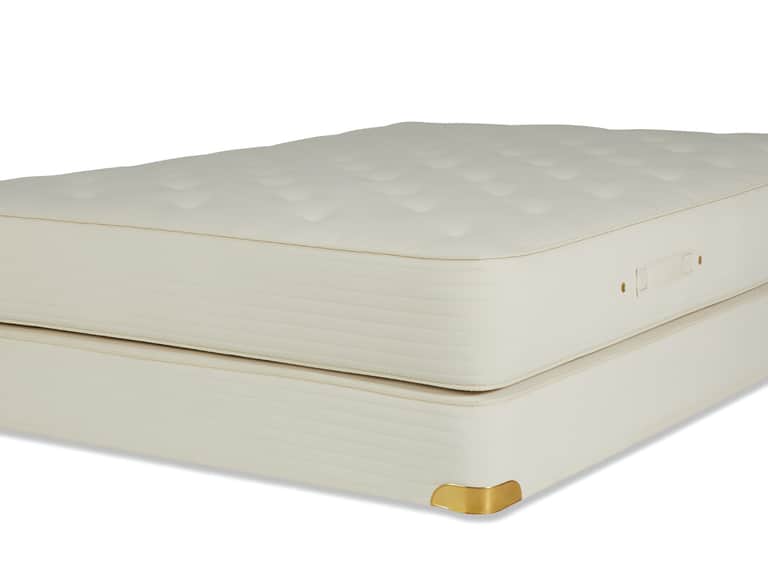
To illustrate practical choices, here’s an example from a reputable line that we discuss in an educational context. The Royal-Pedic Natural Collection Cotton Mattress is a luxury option noted for its pure long-staple cotton construction and orthopedic firmness. Though this example is presented for informational purposes in the context of understanding materials, it helps demonstrate how different layers and materials contribute to overall support and perceived firmness.
Royal-Pedic Natural Collection Cotton Mattress
A Swiss-designed spring system with double heat-tempered coils provides torso-focused support. The mattress uses pristine long-staple cotton and offers a firm orthopedic feel. It is designed for those with chemical sensitivities or wool-related restrictions, presenting a classic, old-world craftsmanship ethos.
Note: Doctor’s note may be required for specific product configurations.
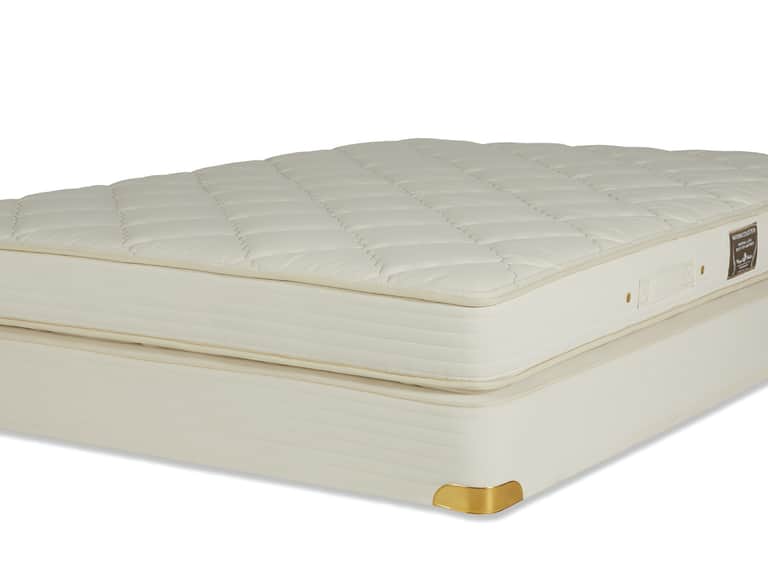
Royal-Pedic Natural Latex Quilt-Top Mattress
All-natural latex core surrounded by French wool and cotton provides temperature regulation and natural flame resistance without chemical additives. This surface is designed for a balance of support and plushness, suitable for sleepers who appreciate resilience and a cooler feel.
Construction emphasizes organic materials and careful layering for comfort.
Glossary and Quick-Start Resources
Educated choices start with understanding common terms. Here are a few to keep in mind as you browse mattresses and bedding accessories:
- Firmness: A subjective measure of how hard or soft a surface feels. Often labeled as soft, medium, or firm, but remember that actual feel depends on body weight and sleeping position.
- ILD (Indentation Load Deflection): A technical metric used to describe how a foam layer resists compression. Higher ILD means firmer feel; lower ILD means softer feel.
- Support Core: The foundational layer that provides overall structure and alignment, often coils in innerspring or dense foam layers in foam mattresses.
- Pressure Relief: The ability of a surface to reduce stress on hips, shoulders, and other joints, contributing to comfort in side sleeping.
- Spinal Alignment: The state where the spine maintains a natural, neutral curve along the night’s duration, reducing morning stiffness.
If you’d like a printable quick-start guide, you can save these notes as a practical checklist to use when you’re shopping or testing mattresses at home. The aim is to retain impartial, science-backed guidance while offering actionable steps that help you sleep better.
A Note on Neutral, Non-Commercial Guidance
This article prioritizes educational, non-commercial content. We discuss material properties, sleep science, and tested home-testing methods without bias toward specific brands. If monetization ever becomes part of the conversation, it would be clearly disclosed and designed to maintain editorial independence and user trust, with emphasis on transparent, evidence-based information.
The goal of this guide is to empower you to understand how your sleep position influences mattress choice, so you can make informed, confident decisions that enhance your nightly rest. Remember: the best mattress for you is the one that keeps your spine aligned, your joints comfortable, and your mind calm as you drift into a restorative night’s sleep.