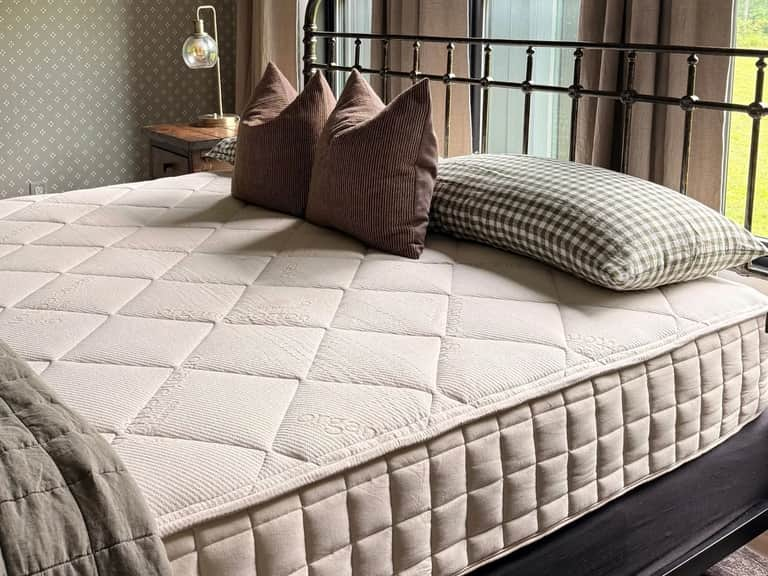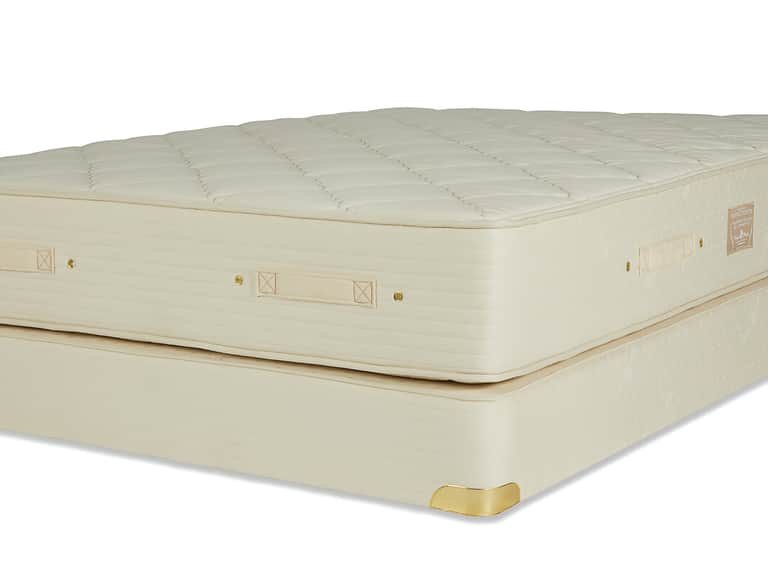
Mattress Education
Naturepedic Chorus: A Closer Look at Its Materials and Feel
A mattress can sound appealing on paper and still feel very different once you lie down. With the Naturepedic Chorus, the useful questions go beyond the word “organic”: What materials are actually in the bed? How is it built? And might its feel suit the way you sleep?
Published November 20, 2026
Shopping for a mattress often begins with a simple hope: find a comfortable place to rest and wake up feeling ready for the day. But the moment you start comparing models, the decision can become crowded with terminology—organic, hybrid, latex, coil, firmness, pressure relief. Each phrase may describe a meaningful feature, but none tells the whole story on its own.
The Naturepedic Chorus is a model worth considering through that wider lens. Rather than treating its name or an organic label as a shortcut to a verdict, it helps to look closely at the construction details available for the exact version you are considering, then connect those details to your preferred sleep position, body feel and comfort needs.
This guide explains how to assess the Chorus’s materials and potential feel, what to confirm before buying, and how to think about suitability without assuming that one mattress is right for every sleeper. Product specifications can change, so use the current manufacturer information for the precise model, size and configuration you plan to purchase.
Why the materials list is only the beginning
Materials matter, but they are not a complete comfort report. A cotton cover, wool layer, latex comfort section or coil unit may each contribute something different. The sensation you experience, however, depends on how those components work together: their thickness, density, firmness, arrangement and interaction with the mattress base.
Think of the materials list as a map rather than a promise. It can help you understand what is in a mattress and what broad qualities the construction may encourage. It cannot reliably tell you whether you will find the bed soft, firm, buoyant, pressure-relieving or easy to move around on. Those impressions are personal, and they can vary by body shape, weight, position and preference.
For the Naturepedic Chorus, start with the manufacturer’s current specification sheet or product page. Confirm the materials in the cover, comfort layers and support core; check whether each layer is described as organic or simply natural; and look for thicknesses and firmness options. If a detail is not stated, treat it as unknown rather than filling in the blank based on another Naturepedic model.
- Cover: What fabric is used, and is there a quilted layer beneath it?
- Comfort section: What material sits nearest the sleeper, and how thick is it?
- Support core: Does the model use coils, foam, latex or a combination?
- Options: Is the Chorus offered in more than one firmness or configuration?
- Care and compatibility: What base, protector and maintenance routine does the manufacturer recommend?
Organic, natural and certified: understand the language
“Organic” can be a useful clue, but it is not a synonym for “perfect for me,” “chemical-free,” or “guaranteed to improve sleep.” It refers to particular sourcing or production standards, and a mattress may contain a mix of materials with different descriptions. Read the wording carefully and check which components a certification applies to.
Certifications can help shoppers interpret claims, especially when they identify a standard, the materials covered and the certifying organization. Still, a certification does not measure whether a bed feels comfortable, supports your preferred position or suits your room’s temperature. Those are separate questions. For a clear picture, look for exact language about the certified component rather than assuming that one certification covers every part of the finished mattress.
It is equally useful to separate material preference from health promises. Some people choose organic bedding because they value sourcing, manufacturing transparency or particular material properties. Those priorities can guide a purchase, but an organic mattress is not automatically a treatment for insomnia, pain or another health concern. Sleep quality depends on many factors, and a mattress is one part of that bigger picture.
If you have a specific sensitivity or a health-related concern, review the full material disclosures and consult an appropriate professional when needed. A broad label on a product page may not answer a highly specific question about an ingredient, finish or exposure.
How construction can shape the feel
Mattress feel is best understood as a combination of contouring, resistance and responsiveness. Contouring describes how much the surface gives around the body. Resistance is the degree of pushback you feel as you settle in. Responsiveness is how quickly the surface changes when you shift position. Two mattresses with similar material names can feel noticeably different if their layers are arranged or tuned differently.
A quilted cover or comfort layer can influence the first impression, the softness you notice when you lie down. Deeper layers have a larger role in how the mattress supports your body over time. A well-matched mattress generally lets the body settle comfortably while avoiding the sensation that you are being pushed too sharply or sinking farther than you prefer.
When you evaluate the Chorus, try to distinguish its initial surface feel from its deeper support. Does the top feel cushioned or relatively flat? Does the bed respond quickly when you turn? Does your lower back feel supported in your usual position? These small observations are more useful than relying on a single adjective such as “plush” or “firm.”
Firmness is a personal impression
Firmness labels are not universal measurements. One brand’s “medium” may feel different from another’s, and the same mattress may feel firmer or softer to two people. Body weight and shape affect how far a person settles into the layers, while sleep position changes where pressure is concentrated.
A lighter sleeper may stay closer to the surface and experience less contouring. A heavier sleeper may compress the comfort section more and feel more of the support core. This does not make one person’s impression more correct than another’s; it shows why a model description is a starting point, not a personalized guarantee.
Whenever possible, test the mattress in the position you actually use at home. Give yourself enough time to notice whether your shoulders, hips and lower back feel comfortable, rather than making a quick decision based on the first few seconds. If you share the bed, both sleepers should test it, because a good fit for one partner may not feel right for the other.
Who might want to consider the Chorus?
Instead of asking whether the Chorus is “best,” consider whether its verified construction aligns with the qualities you value. A sleeper who prioritizes a particular material, a certain degree of cushioning or a specific kind of support may find the model worth exploring. The key is to connect each preference to confirmed details rather than assumptions based on the brand or organic positioning.
Side sleepers often pay close attention to pressure around the shoulders and hips. They may prefer enough cushioning for those areas to settle without feeling trapped. If you sleep on your side, look for information about the Chorus’s comfort layers and test it for pressure relief in your usual posture.
Back sleepers commonly look for a balanced sensation: enough surface comfort to avoid a hard, unforgiving feel, alongside support that does not leave the lower back feeling unsupported. Your own body shape and preferred firmness remain important; “back sleeper” alone does not identify one ideal mattress.
Stomach sleepers may be especially sensitive to excessive sink around the midsection. If that describes you, pay attention to how level your body feels and whether the mattress allows you to maintain a comfortable posture. Do not assume that a model will be suitable simply because its materials sound supportive.
Combination sleepers tend to move between positions and may value a surface that responds easily. During a trial, try turning from side to back or back to side. Notice whether the bed feels easy to move across or whether it seems to hold you in place.
Couples may also want to consider how the mattress feels for both people and how much movement transfers across the bed. Do not infer motion isolation, edge support or temperature performance from a materials list alone. Seek specific details, then test them when possible.
A practical checklist before you decide
Before purchasing the Naturepedic Chorus, gather the basic facts in one place. A little careful comparison can make it easier to separate a genuinely appealing fit from a persuasive product description.
- Verify the exact model. Check that the name, size and configuration match the mattress you are researching. Similar product names can refer to different constructions.
- Read the current specifications. Note each disclosed material and layer. Look for thickness, firmness choices and any construction details that affect how the bed may feel.
- Check the trial and return terms. Confirm how long you have to test the mattress, whether there are required break-in periods, and what costs or conditions apply to a return.
- Review the warranty carefully. Understand what counts as a covered defect, how sagging is measured and what foundation requirements apply.
- Confirm the base requirements. A mattress may perform differently on an unsuitable or uneven base. Follow the manufacturer’s guidance for slats, foundations and adjustable frames.
- Ask about care. Check whether the mattress can be rotated, whether it should not be flipped, and how to handle spills or stains.
- Consider the whole sleep setup. A pillow, mattress protector, bed frame and room temperature can all affect comfort. Avoid using a topper to solve a fundamental mismatch without considering the trade-offs.
Give a new mattress time—but pay attention
A new bed can feel unfamiliar, particularly if your old mattress had developed soft spots or a visible dip. Your body may need time to adjust to a different surface, and some materials may change subtly with use. That is one reason a realistic home trial can be helpful: it lets you evaluate the mattress across ordinary nights rather than one showroom visit.
At the same time, “give it time” should not mean ignoring persistent discomfort. Keep a simple note of your sleep position, comfort and any pressure points over the trial period. Look for patterns rather than judging one unusually restless night. If an issue continues, consult the retailer’s trial terms and contact customer service promptly so you understand your options.
Be cautious about expecting a mattress to resolve a medical problem. A comfortable sleep surface can support a restful routine, but persistent pain, numbness or disrupted sleep deserves appropriate professional advice. A mattress purchase is not a substitute for diagnosis or treatment.
Common assumptions to leave at the door
Organic bedding can be meaningful to shoppers, but a few common assumptions make comparisons harder than they need to be.
- “Organic means it will feel better.” Material sourcing and comfort are different issues. A certified material may fit your priorities while the mattress’s feel still does not suit you.
- “Natural materials always sleep cool.” Temperature depends on the full construction, your bedding, room conditions and personal comfort. A material description alone cannot predict your experience.
- “One firmness works for every side sleeper.” Position is only one part of fit. Body shape, weight, preferences and pressure sensitivity matter, too.
- “A brand’s other mattress tells me how this one feels.” Models can differ in their layers and design. Compare the Chorus with its own current specifications rather than borrowing details from a separate mattress.
- “A long materials list proves durability.” Longevity depends on construction, use, care and support beneath the mattress. Review warranty terms and maintenance guidance rather than relying on material names alone.
The bottom line on the Naturepedic Chorus
The Naturepedic Chorus deserves a thoughtful look from shoppers interested in mattress materials, organic bedding and everyday comfort. But the most useful assessment is not a sweeping promise about what the mattress will do. It is a clear-eyed comparison between its confirmed construction and the way you prefer to sleep.
Check the exact model details. Understand which materials are used and where. Consider how the construction may influence contouring, support and responsiveness, while remembering that firmness is personal. Then evaluate the mattress under the terms of a real trial, with attention to both comfort and practical details such as the foundation, care instructions and warranty.
That approach turns a materials list into something more helpful: a way to ask better questions and make a more informed choice. The right mattress is not simply the one with the most appealing label. It is the one whose documented qualities and real-world feel make sense for your needs.
Frequently asked questions
Does an organic mattress guarantee better sleep?
No. Organic materials may matter to someone’s sourcing or material preferences, but they do not guarantee improved sleep. Comfort, support, sleep habits, health and the wider sleep environment all play a role.
How can I tell whether the Naturepedic Chorus is firm enough?
Look for the current model’s firmness information, then test it in your usual sleep position if you can. Pay attention to pressure, body alignment and how easily you move. Firmness descriptions are helpful, but they are not universal ratings.
Should I compare the Chorus with another Naturepedic model?
You can compare models, but use each one’s own current specifications. Do not assume that materials, construction or feel carry over from one Naturepedic mattress to another.
What matters most when assessing mattress materials?
Look at the full construction, not just a headline material. Check what is in the cover, comfort layers and support core; whether claims apply to the complete mattress or specific components; and how the design relates to your preferred feel and sleep position.